
As Trump’s tariffs and funding cuts suspend projects in Erie, some residents view the changes as a necessary evil

It was set to be the most expensive project that the beaten-down manufacturing sector of Erie, Pennsylvania, had seen in decades. In a blighted corner of town, a startup planned a $300m plant that would turn plastic waste into fuel for steel factories.
Neighborhood advocates in Erie’s impoverished east side hoped the facility would provide the jobs and prosperity they needed. Environmentalists decried the pollution they expected the plant to bring. Unions got ready for what they hoped would be hundreds of jobs created by its construction, with more to come once it opened.
And then it was over. Mitch Hecht, founder of the company pursuing the project, announced that a Department of Energy loan crucial to the plant’s funding was put on hold as a result of Donald Trump’s policies, which “had a severe and immediate impact on our ability to move forward”.
It was the latest bout of economic whiplash to strike the county on north-west Pennsylvania’s Lake Erie shoreline, just months after its voters helped return Trump to the White House. Those who backed the president say they are sticking with him, even as his administration’s spending cuts have upended projects and budgets and tariffs have created new uncertainties for businesses.
Once reliably Democratic at the presidential level, Erie county has emerged as hotly contested territory ever since 2016, when Trump became the first Republican to win the area in 32 years. Joe Biden carried the county by a slim 1,417 votes four years later, but it flipped back to Trump in 2024 by nearly the same margin.
“We’re set up in this moment for extreme growth over the next 15, 20, 30 years, and as we try to just hobble off the starting line, we’re just getting whacked over the head by these larger macro policies and intentional immigration policies that create an inflation environment,” said Drew Whiting, CEO of the Erie Downtown Development Corporation.
The non-profit’s renovation efforts have helped open a food hall and new apartments and shops in what was once the poorest zip code in the US, and its latest project is a mixed-use space that could create 100 jobs and bring in up to $10m a year in tax revenue. But since the start of the year, costs of labor and materials have jumped 37%, which Whiting blamed on a dollar weakened by economic uncertainty, along with labor shortages worsened by Trump’s immigration crackdown.
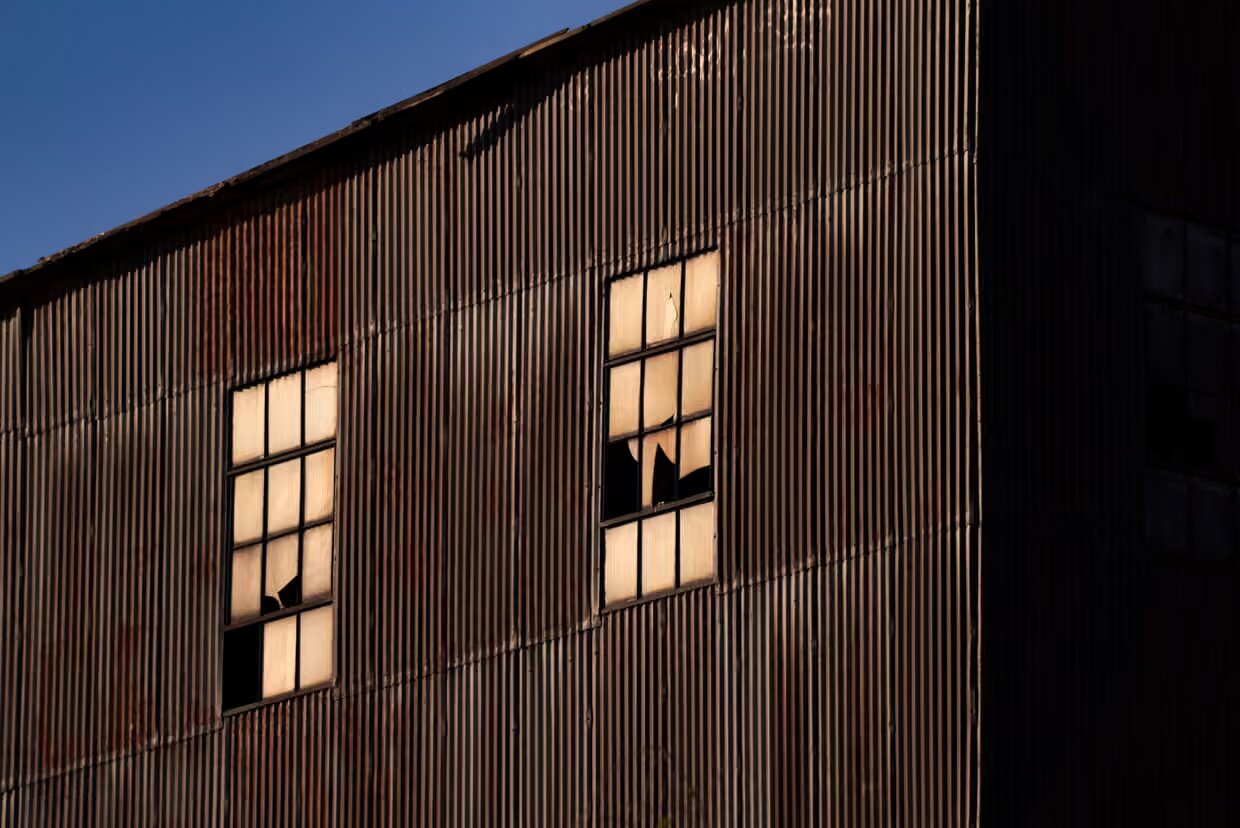
A short drive from downtown, a placard reading: “A recycling revolution is happening in Erie” standing outside a long-shuttered paper mill is the only sign remaining of the plastic waste facility that the startup International Recycling Group (IRG) planned to build there.
Though environmental groups warned IRG’s plant would create more pollution and lead to garbage filling Lake Erie, projects intended to fight the climate crisis and address long-running problems such as how to dispose of plastic waste were priorities of the Biden administration, and last year, IRG announced it had received a $182m loan commitment from the energy department.
On his first day in office, Trump signed an executive order that paused disbursements of such funds, and by April of this year, Hecht had announced that the loan had been put on hold, and the project would be canceled. IRG did not respond to a request for comment, and the Department of Energy did not respond to an email sent during the government shutdown.
Railing against “waste, fraud and abuse” in Washington, Trump has put on hold numerous federal programs. Erie’s food bank, Second Harvest, has lost $1m that would go towards food purchasing, or about 25% of their budget, due to such funding cuts, its CEO, Gregory Hall, said.
Meanwhile, need for their assistance has only grown, climbing 43% in the past two to three years as food prices rose and local grocers went under. A deadlock in the state legislature over approving a budget, which began in July, has only worsened the financial situation.
“It has been a plethora of different funding cuts, different programs canceled, that is truly having an impact on not only the amount of food, but the types and quality of food that we can provide to the neighbors in our region,” Hall said.
Trump’s solution to the ills plaguing communities like Erie is tariffs, which he says will encourage businesses to bring jobs back to the US from overseas, and protect domestic manufacturers from foreign competition. Businesses are divided over how significant the levies are, and whether the turmoil they have brought will be worth it.
“It’s greatly impacted profitability, but it’s also it’s leading to the product not getting harvested,” said Roger Schultz, a farmer outside Erie who said his largest markets for apples, Canada and Mexico, are far less interested in taking his crop this year because of the levies.
He was skeptical that the president’s promises of new trade deals would lead to those markets reopening.
“Fundamental changes have happened out there in the marketplace, and no amount of pleading or price cutting or, ‘Hey, won’t you try this,’ is going to get you back in that,” Schultz said.
At the injection plastic firm Erie Molded Packaging, sales have risen 15% this year, and its president, Tom Tredway, said he is looking at expanding their factory, thanks in part to tax deductions for businesses included in Trump and the GOP’s One Big Beautiful Bill Act. While all of their suppliers and customers are in the US, the thin-gauge aluminum that is used in liners for their plastic containers is manufactured abroad, and tariffs have driven the prices higher.
“It’s a nuisance more than anything,” he said.