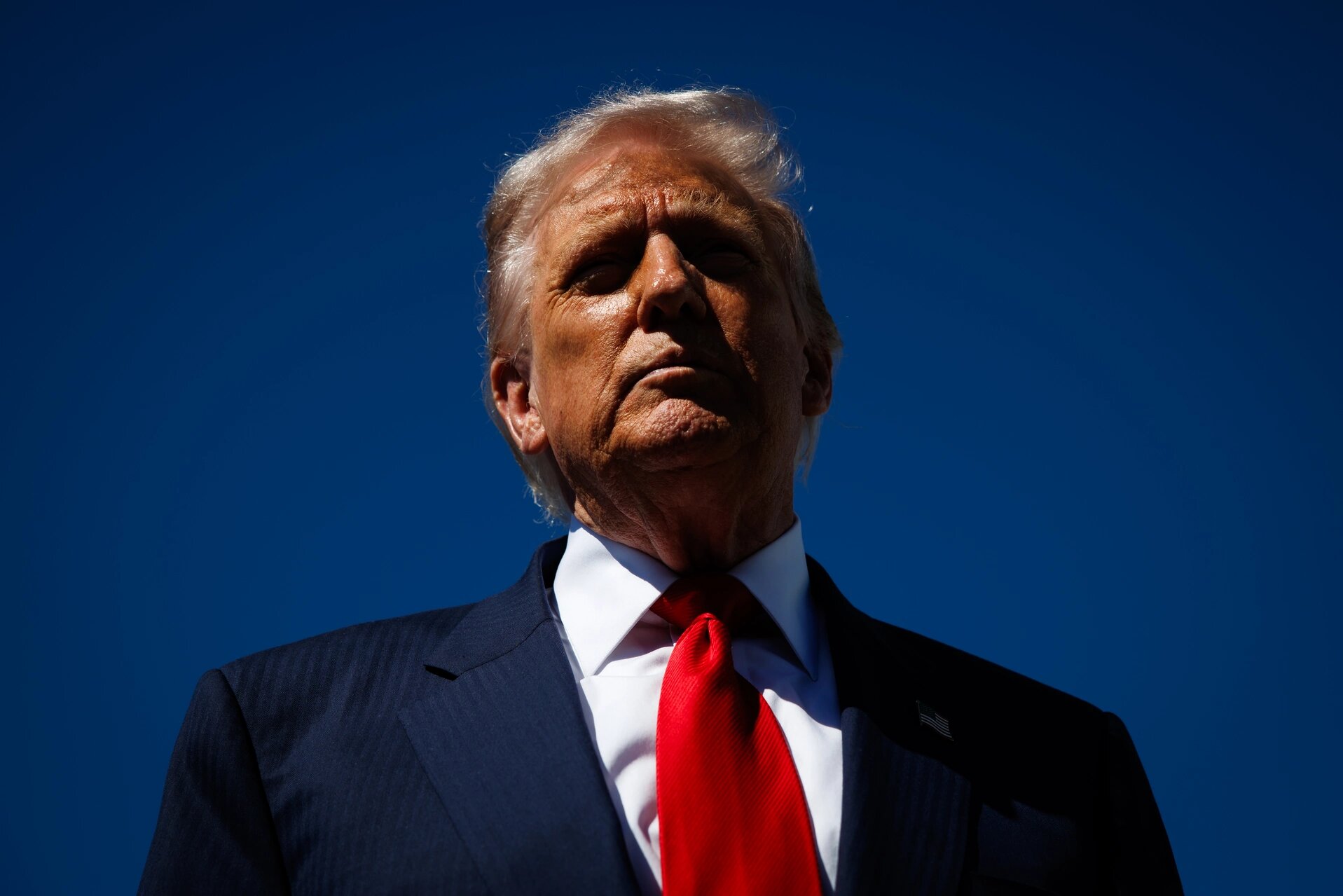
It was the last remaining prosecution he faced over his efforts to subvert the 2020 election.
The criminal case against Donald Trump in Georgia is officially dead.
Scott McAfee, the judge overseeing the case accusing Trump of conspiring to overturn his loss in the state in the 2020 presidential election, dismissed all remaining charges Wednesday. That move came shortly after the lead prosecutor — who took over the case earlier this month — decided he could not advance the case any further.
“There is no realistic prospect that a sitting President will be compelled to appear in Georgia to stand trial on the allegations in this indictment,” wrote Peter Skandalakis, a prosecutor who assigned himself the case after failing to find another prosecutor to take it over. “Donald J. Trump’s current term as President of the United States of America does not expire until January 20, 2029; by that point, eight years will have elapsed” since the alleged crimes in question.
The collapse of the Georgia case against Trump ends the last remaining criminal prosecution he faced stemming from his effort to subvert the 2020 election. Special counsel Jack Smith’s federal case against him was dismissed last year after Trump won reelection.
The Georgia case fell apart amid allegations that the prosecutor who initially brought the charges, Fulton County District Attorney Fani Willis, had a financial conflict of interest due to a romantic relationship with a top deputy she appointed to the case. Willis was ultimately removed from the case, which was sent to Skandalakis to be reassigned to a new prosecutor. But Skandalakis said his search was fruitless.
Trump in a social media post welcomed the dismissal, calling the case an “Illegal, Unconstitutional, and unAmerican Hoax.”
In a 22-page memo filed with the judge Wednesday, Skandalakis made clear that he disapproved of many of the actions Trump allies took to try to overturn the election results in 2020, and he faulted several lawyers involved for rendering bad legal advice.
While Skandalakis was vague about his views of Trump’s legal culpability, the prosecutor suggested that the Supreme Court’s presidential immunity ruling last year threatened to further complicate and delay the Georgia case, potentially delaying a trial and verdict for years after Trump leaves office.
Skandalakis said it would also be difficult to prove that Trump and others accused had criminal intent because it is plausible they were acting on sincere beliefs about election fraud and civic duty.
He added that Smith’s federal inquiry was the more appropriate venue to pursue the allegations because the “criminal conduct alleged … was conceived in Washington, D.C., not the State of Georgia.”
Skandalakis ultimately said he lacked the resources to take the sprawling case to trial and it would be unwise to do so even if it was feasible.
“Continuing this litigation under these circumstances would neither serve the citizens of Georgia nor fulfill our statutory obligations. Our agency is simply not equipped to carry out this case while meeting the essential duties required under the current budget — or under any realistically conceivable budget the State could provide,” wrote Skandalakis, who heads up a state prosecutors’ council in Georgia. “In my professional judgment, the citizens of Georgia are not served by pursuing this case in full for another five to ten years.”
Hassan Ali Kanu contributed to this report.