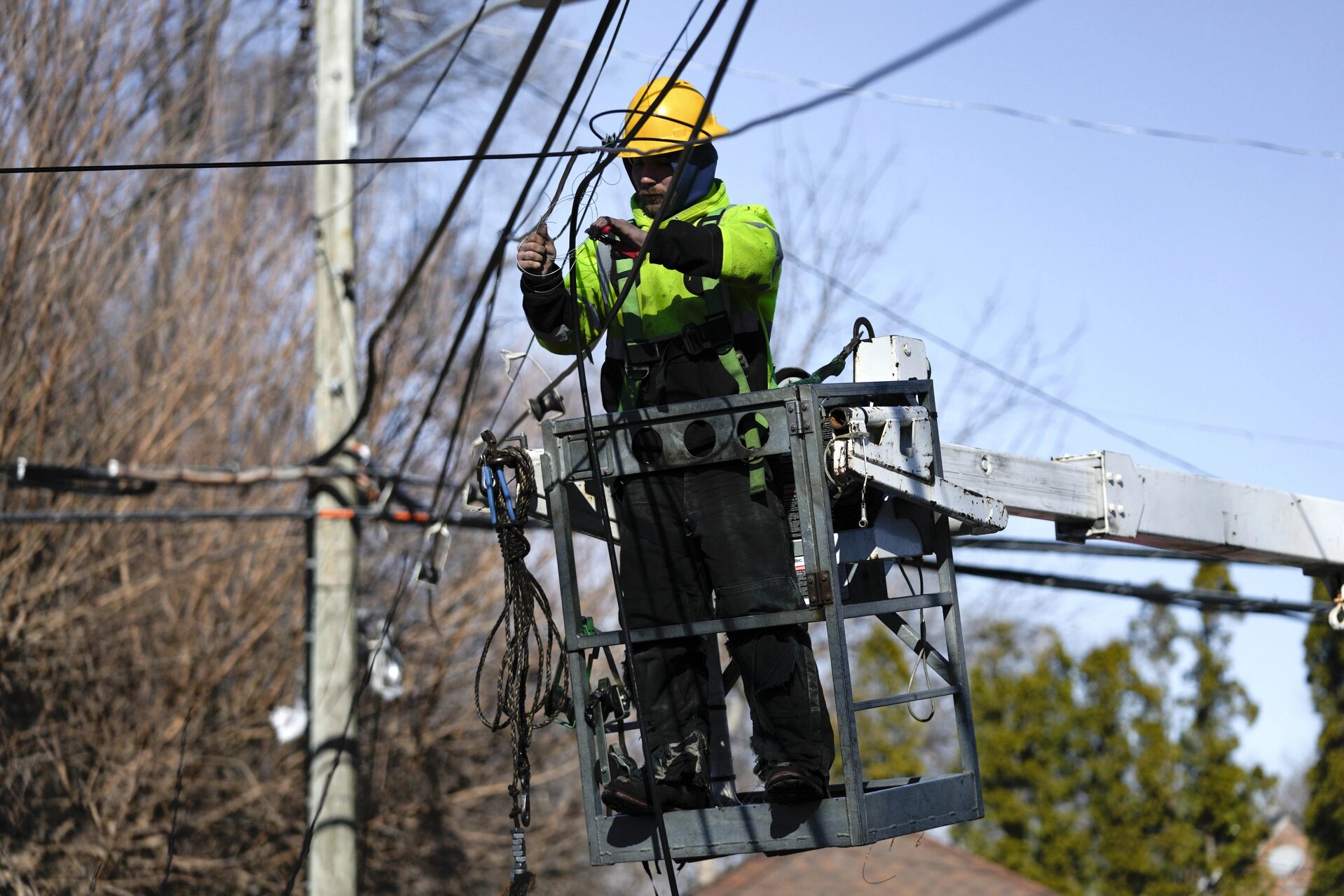
The president denied the state’s request for federal aid to rebuild power lines after a fierce ice storm last March, a move that could force thousands of rural electricity customers to pay the entire tab.
ONAWAY, Michigan — A recent decision by President Donald Trump to deny disaster aid to two electric utilities in rural northern Michigan could cost residents tens of millions of dollars.
The Oct. 22 denial is a striking example of how Trump’s cuts to disaster aid — and his vow for deeper reductions next year — threaten to shift billions of dollars in costs from federal taxpayers to households struggling to rebuild. In this case, it would hit a working-class region that voted overwhelmingly for the president last year, helping him win the crucial swing state.
Those households could now face thousands of dollars apiece in rate hikes to make up for the costs of rebuilding their communities’ electric grids after a three-day ice storm in March, utility officials and lawmakers warned.
The denial came after the Trump administration documented $90 million in damage to utility infrastructure, according to records obtained by POLITICO’s E&E News. The amount is nearly five times the federal threshold to qualify for disaster aid. But in its October denial letter, the Federal Emergency Management Agency told Democratic Gov. Gretchen Whitmer that assistance to the utilities “is not warranted.”
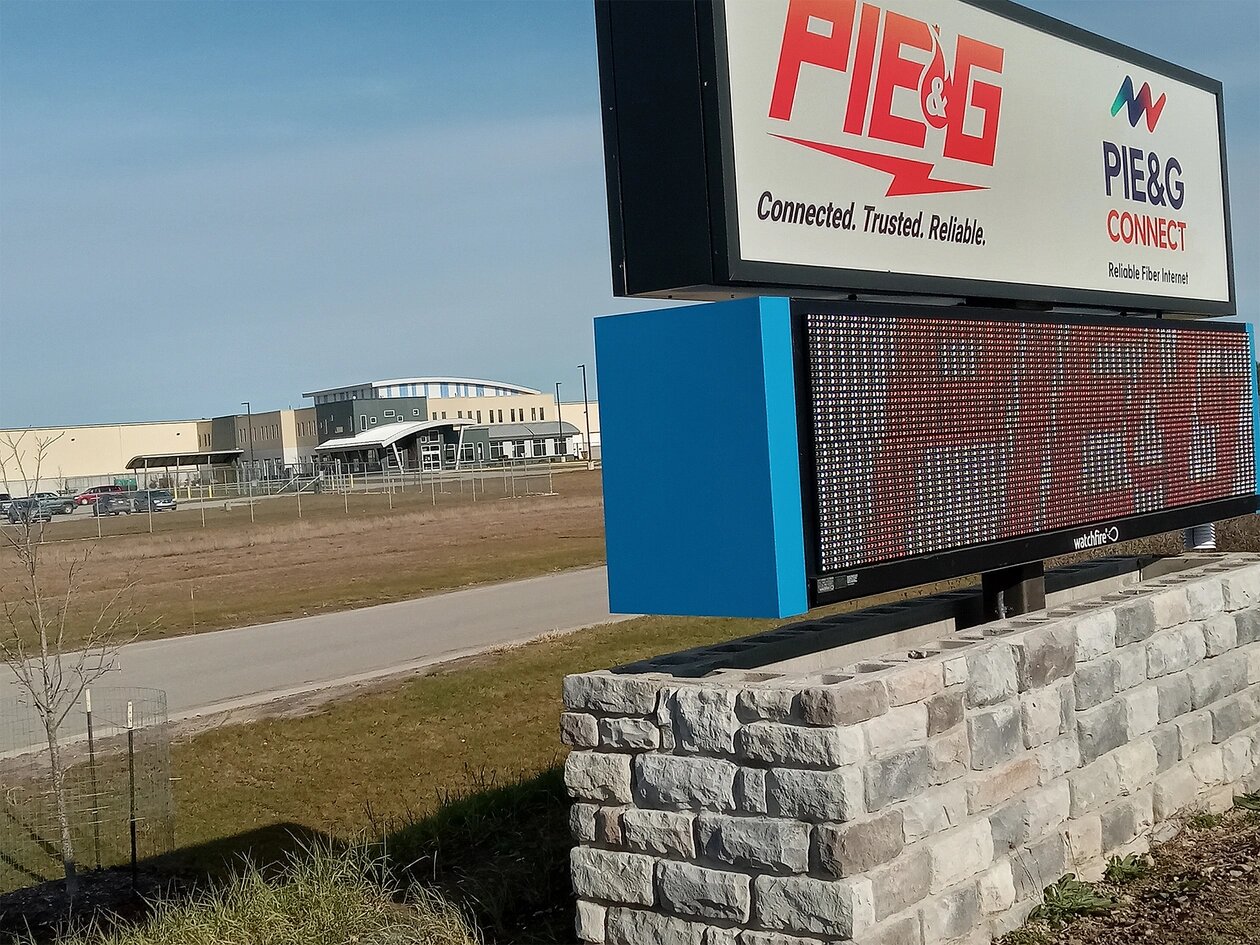
“It could be tens of millions of dollars left on the backs of the members,” said Allan Berg, the CEO of Presque Isle Electric & Gas, known as PIE&G, in northeastern Michigan.
The other utility, Great Lakes Energy in northwestern Michigan, said on its website that “all storm-related costs not reimbursed by state or federal disaster aid will be paid for by the cooperative’s entire membership.”
Both utilities are nonprofit electric cooperatives, which serve rural areas and are owned by customers — unlike the for-profit, investor-owned utilities that electrify most of the United States. They collectively serve 160,000 households and businesses in this heavily wooded region.
The funding denial “could make the co-op actually go broke if something isn’t done to make them whole again,” said Pete Rose, a retired PIE&G foreman, of his former employer.
Whitmer warned Trump in August that ratepayers face surcharges and rate hikes “equivalent to at least $4,500 per household” without federal aid. Her office did not respond to a question on whether she supports a state legislative proposal that would have Michigan aid businesses such as the power companies directly.
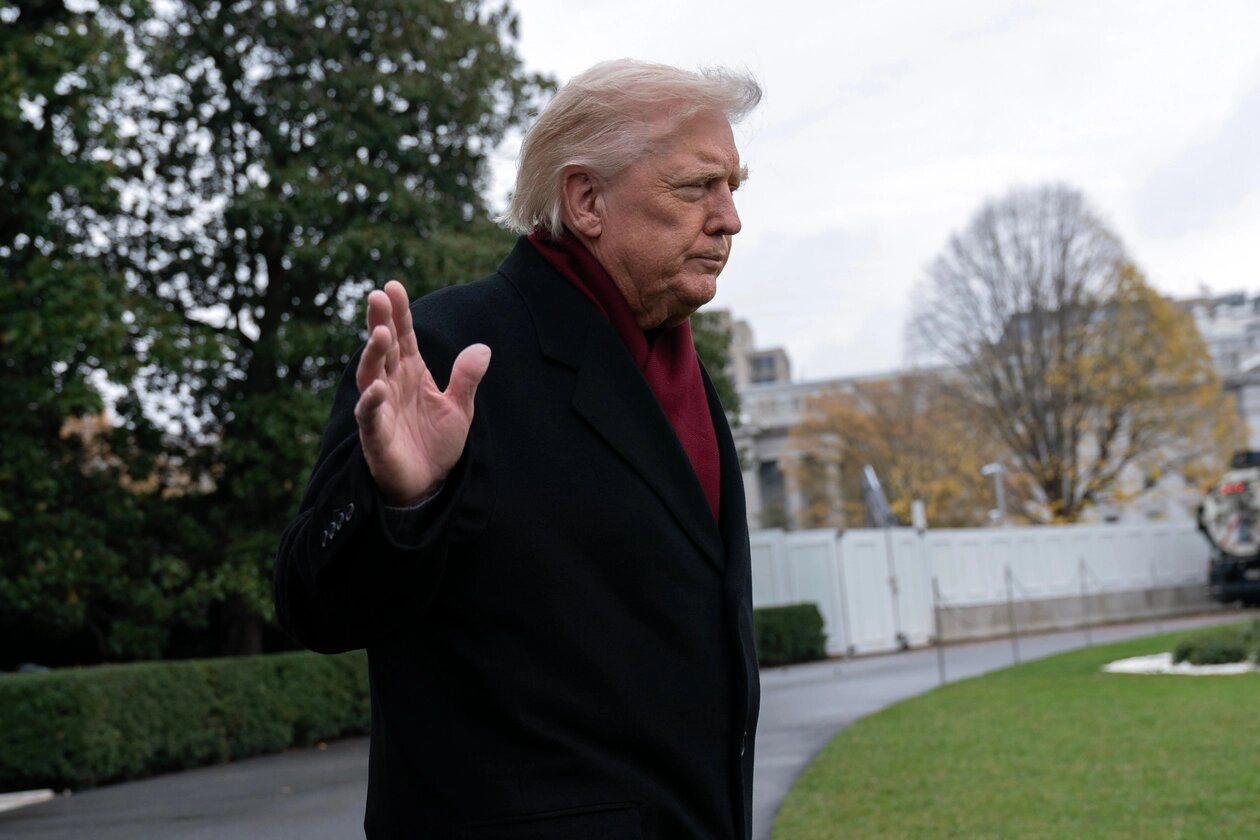
When asked for comment about the federal denial, White House spokesperson Abigail Jackson provided a statement saying Trump handles disaster requests “with great care and consideration, ensuring American tax dollars are used appropriately.”
The decision came as Trump awaits an internal report from an expert group exploring ways to overhaul FEMA. Trump created the group after assailing the agency as slow and wasteful. He voiced support at the time for dismantling the agency or constraining it. Both moves would force states to pay more for rebuilding efforts after disasters.
Trump has already paused two FEMA grant programs that allocated billions of dollars a year for resilience projects to address weather-related hazards.
At the end of the 2025 fiscal year, FEMA pushed $15 billion in scheduled disaster payments to fiscal 2026, which began Oct. 1.
Since April, Trump has denied at least nine gubernatorial disaster requests despite FEMA documenting damage that met the federal threshold for disbursing aid, according to an E&E News analysis of federal and state records. E&E News reported Nov. 18 that Trump had denied more than $125 million in disaster aid for Chicago residents whose homes were damaged by storms and flooding this summer.
The White House Office of Management and Budget “is being extremely critical of everything,” said a former FEMA official who was granted anonymity to avoid retribution. “Before, they would take a cursory look at everything. Now, as a practice they’re scrutinizing every single thing.”
FEMA said in a statement that the denial of requests in states other than Michigan, including Republican strongholds of Arkansas, Nebraska and Oklahoma, “was based on policy not politics.”
‘Something nobody asked for’
Trump denied aid for the Michigan utilities using regulatory fine print — in a way that appears to have never been used before.
When presidents approve a governor’s disaster request, they are authorizing aid for five separate “categories of work.” Repairing utility infrastructure is one category, along with fixing roads, parks, public buildings and water facilities.
Presidents technically authorize each category individually. But every president since at least George W. Bush has authorized all five categories in blanket fashion, according to an E&E News analysis of FEMA records dating to 2007.
“In practice, we declare all the categories,” said Pete Gaynor, who ran FEMA during Trump’s first administration.
FEMA has given public and nonprofit utilities $40 billion for repairs since 1998, an E&E News analysis of spending records shows. The agency typically pays 75 percent of repair costs. Privately owned utilities are ineligible.
On July 22, Trump approved a disaster declaration requested by Whitmer for the March ice storm but authorized only four work categories.
His declaration excluded utilities, even though the destruction of the electric cooperatives’ equipment accounted for $90 million of the $137 million in FEMA-certified damage from the ice storm. The “primary impact” of the storm, the agency’s damage assessment said, was “damage to utilities.”
“We can’t find a similar disaster where Category F is denied,” said Berg, the PIE&G chief executive, referring to the FEMA category for utilities. “I can’t understand why.”
“This is something nobody asked for. Our members did not want this ice storm,” Berg said. “FEMA is a federal program designed to ensure when large natural disasters occur, they can come and make the playing field level.”
Whitmer appealed the denial in August. Trump also rejected that request, in October. The decision is final.
But Michigan continues to fight. Republicans led by Rep. Jack Bergman, who represents the storm-damaged area, asked Trump “respectfully” in a Nov. 13 letter to reconsider.
“Without federal assistance, these huge costs will translate into higher rates” for utility members, “many of whom are already facing severe economic hardship,” Bergman and five other lawmakers wrote.
“We believe President Trump will reconsider it once he reviews the full facts,” Bergman said in a statement.
In Michigan’s capital of Lansing, a state legislator from the damaged area said he is appalled that the Democratic-controlled state Senate has taken no action on a $100 million recovery package that the Republican-controlled state House approved in March. The vote was 107 to 1.
“We’ve never seen any storm like this in the State of Michigan that’s hit such a wide area and affected so many people,” state Rep. Parker Fairbairn, a Republican who sponsored the bill, said in an interview. “People were paying tens of thousands of dollars to remove these trees.”
The legislative inertia shows one potential difficulty of Trump’s vow to shift primary financial responsibility for disasters from the federal government to states. Fairbairn’s bill is bottled up in the Senate Appropriations Committee — a political hostage, he said — eight months after the storm.
“You look at northern Michigan, it’s a Republican area,” Fairbairn said. “If this would have happened in Detroit or Grand Rapids, I think they would have seen funding from the state already in big numbers.”
Senate Appropriations Chair Sarah Anthony, a Democrat who represents the Lansing area, declined to answer questions about Fairbairn’s bill.
‘We’re not millionaires’
Households whose power comes from PIE&G recently started paying a $20 monthly surcharge to cover interest payments on a $150 million line of credit the utility received to replace 2,800 utility poles, 900 transformers and 3,800 miles of power lines after the ice storm.
Great Lakes Energy, which repaired 4,300 miles of lines and 3,100 poles, increased its monthly rates by an average of $17.
Yet ratepayers appear barely aware that their potential liability could be much more.
“There are a lot of questions, and we don’t know how this is going to play out,” said Monique Williams, the manager of a two-room, cinder-block public library in northeastern Michigan that sells local artwork for $30.
Williams was surprised to hear that residents could end up paying thousands of dollars for the utility repairs. “I don’t think people are aware of that at all,” she said.
Library patron Leonard Wright insisted that “PIE&G should pay for the repairs” without realizing that the utility has no money other than the fees customers pay.
“The ignorance of what’s going on is just amazing to me,” said Ted Fines, executive director of Habitat for Humanity Northeast Michigan. “I don’t think people realize what impact this is going to have.”
The 20-county area served by the two electric cooperatives is a remote slice of northern rural America. Woods dominate the flat landscape, broken by farms and towns that act like outposts with gas stations and discount stores. With 630,000 residents, the area’s population density — the average number of people per square mile — is similar to Iowa’s.

Along the sandy shoreline of Lake Michigan on the west and Lake Huron on the east, tourism drives the economy. Cabins are perched along the water and nestled in the woods. Wine shops, bike lanes and kayak rental stores line main streets.
Most tourists are “downstaters,” said Brennan Wright, owner of For Fun’s Sake game shop in Boyne City, Michigan.
Northern Michigan has higher-than-average poverty rates and a large number of aging people. Still, “we are resilient. We rely on one another,” said Ingrid Bousho of Onaway after a recent PIE&G community meeting.
During the March ice storm, when power was out for two weeks in some areas, many residents hooked up their portable generators, though they also struggled to get gasoline. People who survived the storm described the loud snap of tree branches breaking, the painful pelting of hail and the eerie, frosted landscape left behind.
“I’ve never seen anything like that,” Brennan Wright said. “It was surreal.”
About a dozen people attended a recent evening community meeting at PIE&G headquarters in this city of 800 residents where a tattoo parlor, a secondhand clothing store and a Dollar General are prominent on Main Street. Several of the ratepayers said they were bewildered and hurt.
“This area has not asked for a lot of money in the past,” said resident Cheryl Hill, adding that electricity rates are “already high.”
“We’re not millionaires,” she added.
“I guess we’re all just hoping the government’s going to come forward and help citizens who are in genuine need,” said Dan Paul, another resident. “We’re just looking to survive.”
If federal aid does not arrive and rates skyrocket, Paul added, “I’ll buy solar cells if I have to.”